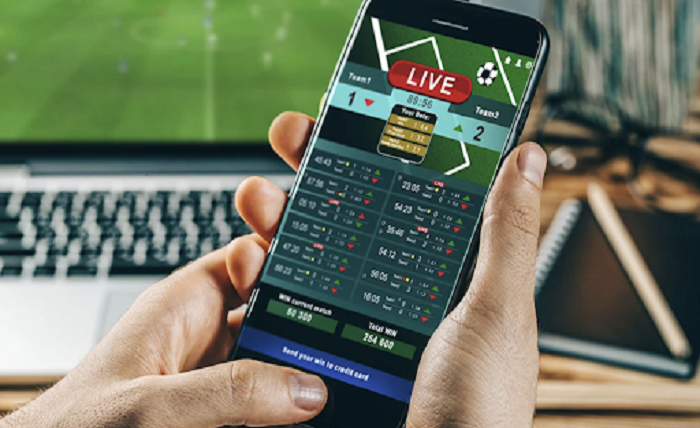
The draw is an important outcome in tỷ lệ kèo football and forms one of the three selections in a traditional match-winner market. While many football discussions focus on which team may win, matches can also finish level after the applicable playing period. For users exploring Tỷ Lệ Kèo, understanding draw markets can provide useful knowledge about how football betting lines are structured.
A draw cannot be predicted with certainty. Recent form, team statistics, playing styles, and historical results can provide context, but unexpected events can change the outcome of any match. Football betting also involves financial risk, so users should establish clear limits before participating.
What Is a Football Draw?
A football draw occurs when both teams finish with the same number of goals during the applicable period.
Common examples include:
- 0–0
- 1–1
- 2–2
- 3–3
In a traditional three-way match-winner market, the draw is normally a separate selection alongside the home and away teams.
Understanding Tỷ Lệ Kèo for Draw Markets
Tỷ Lệ Kèo can refer to the odds and betting lines displayed for football markets. In a traditional match-winner market, users generally see three prices:
- Home win
- Draw
- Away win
The displayed odds represent the market price for each outcome. They should not be treated as a guarantee that one particular result will occur.
Why Matches End in Draws
Football can produce level results for many different reasons.
A draw may occur when:
- Both teams have similar attacking strength.
- Defensive tactics dominate.
- Neither side converts its chances.
- One team equalizes late.
- Both teams become cautious during the final stages.
A team’s previous draw record can provide historical information, but it does not guarantee another draw.
Recent Draw Statistics
Users examining Tỷ Lệ Kèo may review how frequently teams have drawn their recent matches.
Useful information includes:
- Number of recent draws
- Home draws
- Away draws
- Goals scored in drawn matches
- Goals conceded in drawn matches
The sample size matters. Looking at only two or three matches may provide very limited historical context.
Home Team Draw Record
A team’s home draw record can provide additional information.
Users may examine how often the team has finished level at its own stadium and compare those results with its overall record.
However, the strength of the opponents should also be considered.
A draw against a highly competitive opponent may provide different context from a draw against a struggling team.
Away Team Draw Record
The visiting team’s away draw record can also be relevant.
Users may review:
- Away draws
- Away goals scored
- Away goals conceded
- Recent away performances
An away team that frequently produces close matches may have a different statistical profile from a team that regularly produces decisive results.
Defensive and Attacking Styles
Playing style can influence the tylekeo likelihood of closely contested matches.
A defensively organized team may prefer to limit scoring opportunities, while another team may play aggressively and create more chances.
Users can examine:
- Average goals
- Clean sheets
- Shots
- Possession
- Defensive records
These statistics provide context but do not determine the final score.
Draws and Over-and-Under Markets
Draw results can interact with goal markets in different ways.
For example:
- 0–0 is an under result for a 2.5-goal line.
- 1–1 is also under 2.5.
- 2–2 is over 2.5.
- 3–3 is over 2.5.
This demonstrates that a draw does not automatically mean a low-scoring match.
Draws and Both Teams to Score
A draw can also produce different BTTS outcomes.
A 1–1 or 2–2 result means both teams scored, while a 0–0 draw does not.
Therefore, users should distinguish between the match result and the scoring pattern.
Draw No Bet Versus Draw Market
A traditional draw market and draw-no-bet market are different.
In a three-way match-winner market, users can specifically select the draw.
In a draw-no-bet market, users select one team, and a draw may result in a returned stake according to the applicable rules.
Understanding this distinction is important when reading Tỷ Lệ Kèo.
Half-Time Draw Markets
Some football betting markets focus only on the first half.
A half-time draw occurs when both teams have the same score at the end of the first half.
For example:
- 0–0
- 1–1
- 2–2
A match can be level at half-time and still finish with a home or away victory.
Users should therefore check whether a market applies to the first half or full match.
Live Draw Markets
Draw markets can change significantly during live play.
A 0–0 score after 10 minutes represents a different market situation from 0–0 after 80 minutes.
Important live factors include:
- Current score
- Match time
- Red cards
- Injuries
- Substitutions
- Attacking pressure
Live Tỷ Lệ Kèo can change rapidly as these events occur.
Common Mistakes With Draw Markets
Beginners may make several mistakes when studying draw betting.
Common errors include:
- Assuming frequent previous draws guarantee another draw
- Ignoring team quality
- Confusing half-time and full-time markets
- Confusing draw with draw-no-bet
- Ignoring current team news
- Treating statistics as certainty
Understanding the exact market definition can prevent confusion.
Responsible Betting
Football betting should always remain within clear financial boundaries.
Users should:
- Set a fixed entertainment budget.
- Never use essential funds.
- Avoid borrowing money.
- Never chase losses.
- Track spending.
- Take regular breaks.
- Avoid treating betting as guaranteed income.
Understanding draw markets does not eliminate financial risk.
Understanding Tỷ Lệ Kèo Through Draw Markets
Draw markets provide an important part of football betting because matches can finish level even when one team is expected to perform more strongly. Recent draw records, home and away statistics, defensive styles, goal patterns, and team news can provide useful context when examining Tỷ Lệ Kèo.
However, historical statistics cannot guarantee a draw. A match can change because of an early goal, red card, injury, tactical adjustment, or individual performance.
By understanding the difference between three-way match-winner markets, draw-no-bet markets, half-time draws, and live draw markets, users can interpret football betting information more clearly while maintaining realistic expectations and responsible financial limits.